
Asbestos Inspections In Northern Melbourne
Asbestos Inspections Experts
Independent inspections by a BPC-registered Building Practitioner and qualified Carpenter & Joiner with over 30 years of building industry experience.
Professional Asbestos Identification Inspections Across Northern Melbourne
Independent asbestos identification inspections by a BPC-registered Building Practitioner and qualified Carpenter & Joiner with more than 30 years of building industry experience. Clear reporting, practical advice and NATA-accredited laboratory testing available where confirmation is required.
Asbestos Inspections by an Experienced Building Professional
Asbestos-containing materials were widely used in Australian residential construction, particularly in homes built or renovated before the late 1980s. They may be present in wall and ceiling sheeting, eaves, wet areas, roofing, external cladding, flooring products and numerous other building materials.
Precision 1 Property Inspections provides visual asbestos identification inspections for homeowners, property buyers, renovators and property managers throughout Melbourne's northern suburbs.
David Dorcich is a BPC-registered Building Practitioner and qualified Carpenter & Joiner with more than 30 years of building industry experience. His extensive knowledge of residential construction assists in recognising building materials, construction methods and locations where asbestos-containing materials may have been used.
During the inspection, accessible materials suspected of containing asbestos are visually assessed, photographed and documented, including their location and visible condition.
Importantly, asbestos cannot be conclusively identified by visual inspection alone. Where confirmation is required, representative samples can be collected and submitted for analysis by a NATA-accredited laboratory. Laboratory turnaround times vary depending on the testing service required.
If you are planning renovation, maintenance or demolition work on an older property, identifying suspected asbestos-containing materials before they are disturbed is an important part of planning the work safely. Where asbestos is confirmed or removal is required, the report can also assist in determining the appropriate next steps and whether a licensed asbestos removalist is required.
Following the inspection, you receive a clear written asbestos inspection report documenting the suspected materials identified, their locations and visible condition, together with recommendations for laboratory testing, management or licensed removal where appropriate.
Know what you may be dealing with before you renovate, demolish or disturb older building materials.
GET A FREE QUOTE
Precision 1 Property Inspections
What Does an Asbestos Inspection Include?
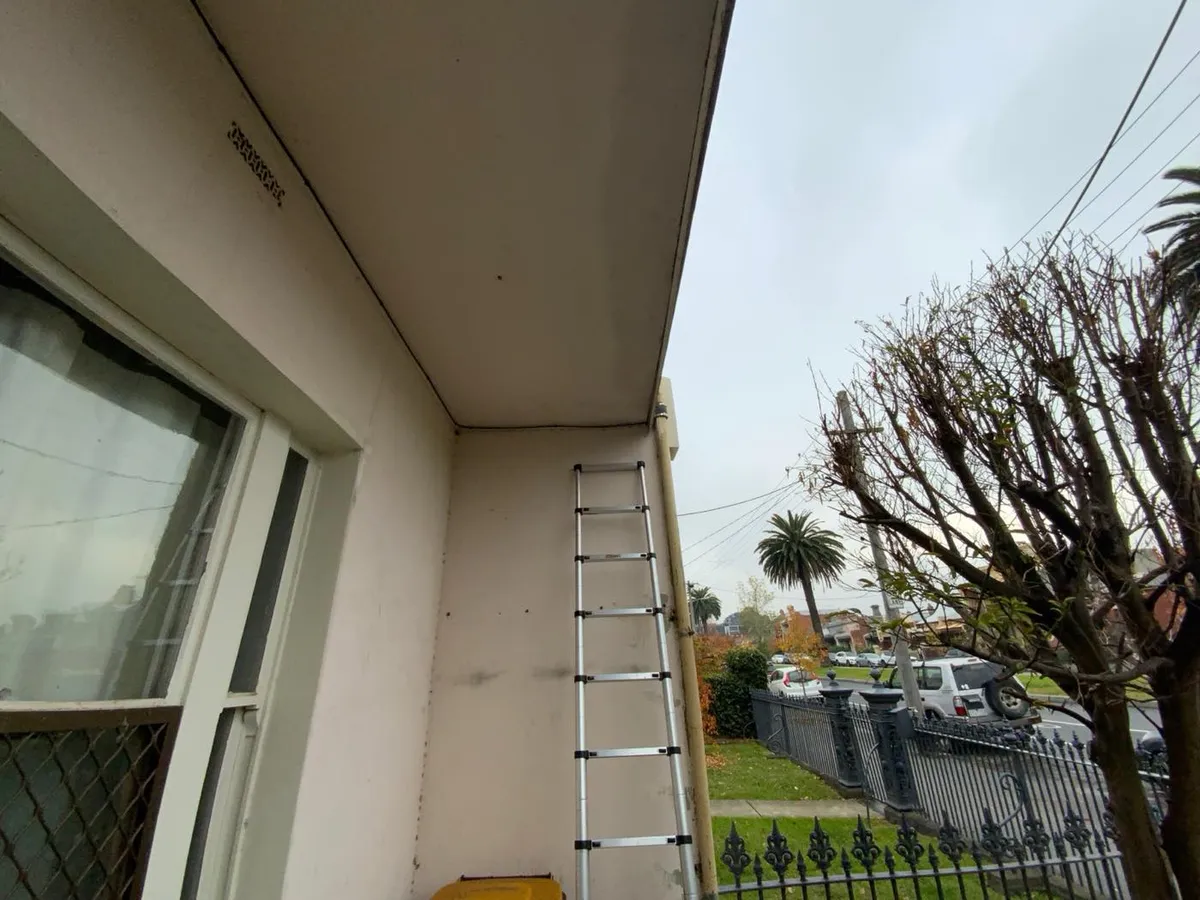
An asbestos inspection by Precision 1 Property Inspections is a systematic visual assessment of accessible building materials that may contain asbestos, particularly in older properties where asbestos-containing materials (ACMs) were commonly used.
Potential ACMs may be found in external and internal wall sheeting, ceilings, wet-area linings, eaves, roofing, fencing, flooring and underlays, service areas and other building products, depending on the age and construction of the property.
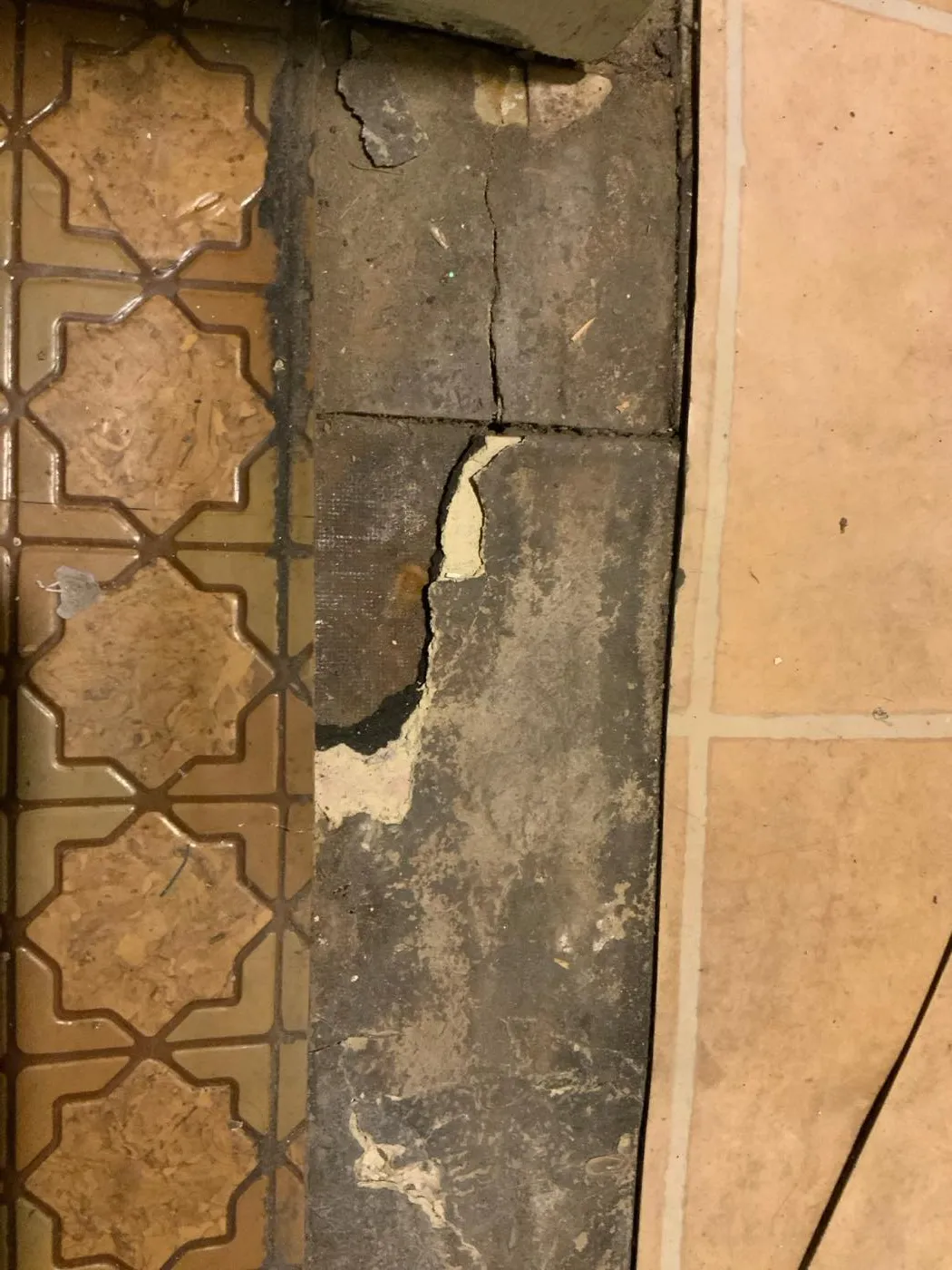
David identifies suspected asbestos-containing materials, documents their location and observed condition, and assesses whether materials appear bonded (non-friable) or friable where practicable.
Where appropriate, representative samples are taken during the inspection and submitted to a NATA-accredited laboratory for analysis.
Laboratory testing provides confirmation of whether asbestos is present in the sampled material rather than relying solely on visual identification.
Because laboratory analysis is required, final asbestos reports are provided once the laboratory results have been received.
The report combines David's on-site findings with the laboratory results, providing a clear record of confirmed and suspected asbestos-containing materials identified within the inspection scope.
Where asbestos is confirmed, the report provides recommendations regarding management, further assessment or removal by an appropriately licensed asbestos removalist where required, particularly where materials are damaged, deteriorated or likely to be disturbed during renovation or demolition.
Inspect. Sample. Test. Know before you disturb.
Precision 1 Property Inspections
Which Northern Melbourne Properties Are Most Likely to Contain Asbestos?
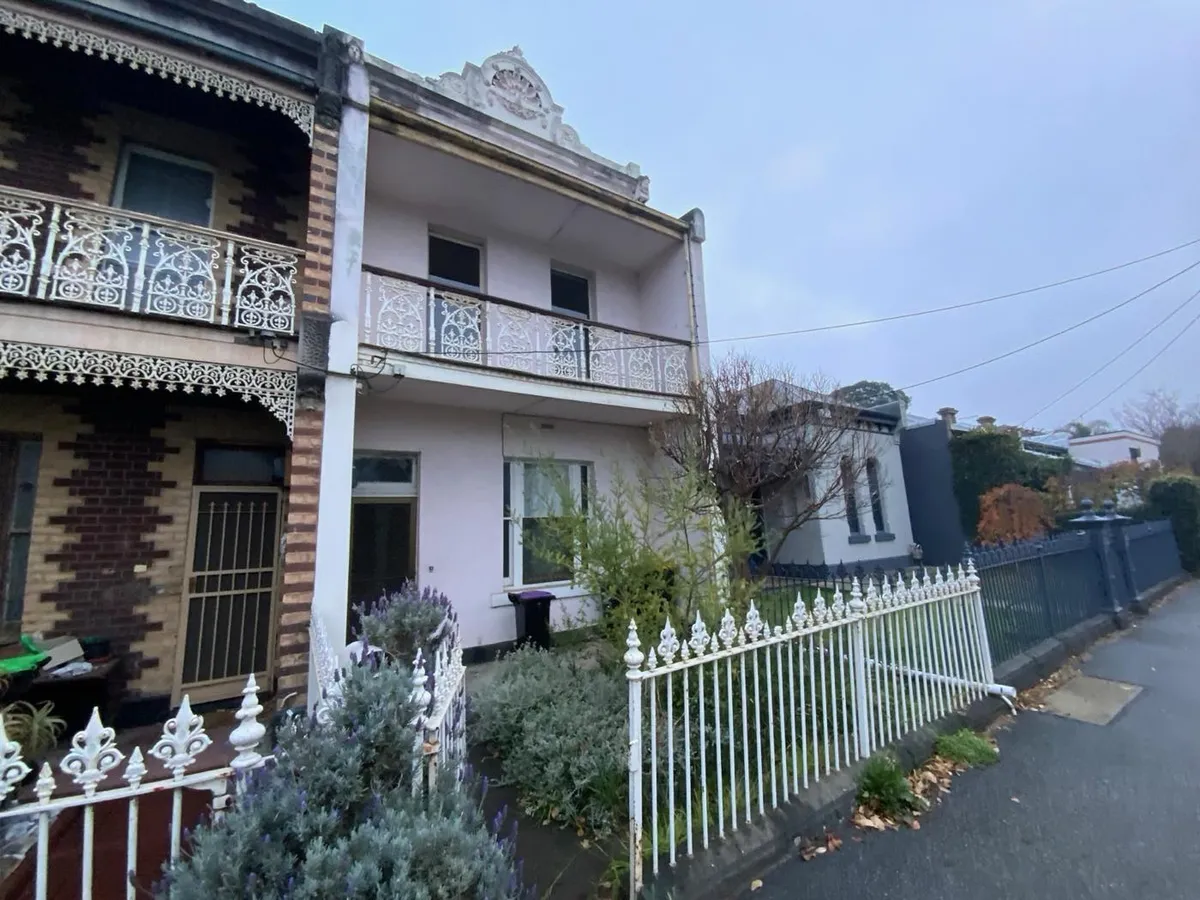
Many established suburbs across Northern Melbourne contain significant numbers of homes built during periods when asbestos-containing materials were commonly used in Australian residential construction.
In established suburbs such as Reservoir, Macleod, Bundoora, Watsonia and Greensborough, older homes may contain suspected asbestos-containing materials in areas such as eaves, wall and ceiling sheeting, wet-area linings, external cladding, garages, sheds, roofing and other building products.
Properties throughout Diamond Creek, Eltham, Hurstbridge and Kinglake can present additional challenges. Older residential and rural properties are often made up of original buildings, later extensions, sheds and other structures constructed or renovated at different times. Each area may therefore contain different materials requiring individual assessment.
Previous renovations do not necessarily mean asbestos-containing materials have been completely removed. Older materials may remain concealed behind newer finishes or in areas that were not included in previous renovation works.
David Dorcich is a BPC-registered Building Practitioner and qualified Carpenter & Joiner with more than 30 years of building industry experience. His practical understanding of residential construction, building methods and materials assists in recognising where suspected asbestos-containing materials are most likely to have been used.
Where a material cannot be reliably determined visually, NATA-accredited laboratory testing can be recommended to confirm whether asbestos is present.
Precision 1 Property Inspections
What Do I Receive After an Asbestos Inspection?
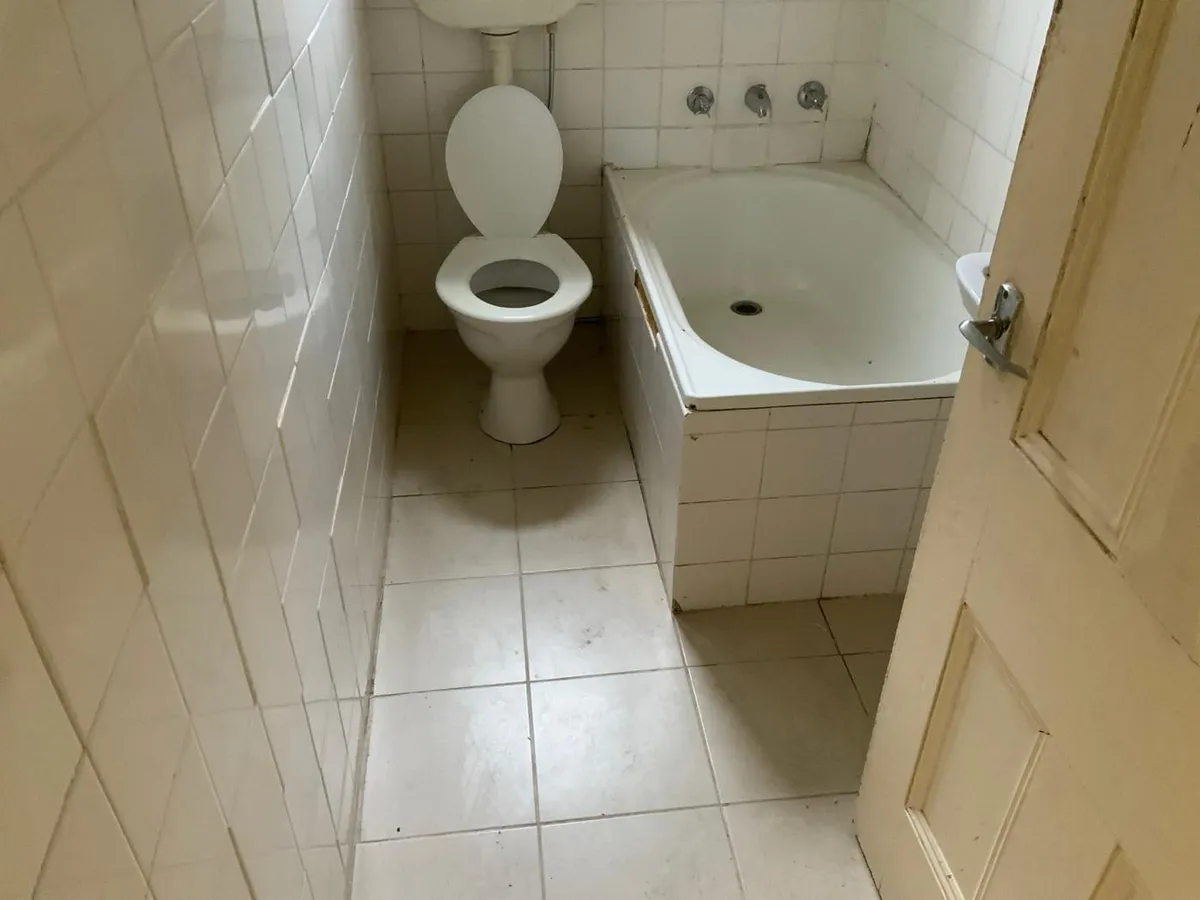
Following the inspection, Precision 1 provides a detailed asbestos inspection report identifying accessible materials suspected of containing asbestos, including photographs, locations and the observed condition of relevant materials.
Where confirmation is required, representative samples are carefully collected and submitted to a NATA-accredited laboratory for analysis.
The final report is provided once laboratory results have been received, allowing confirmed asbestos-containing materials to be clearly distinguished from materials that test negative.
The report provides important information for property owners, trades and licensed asbestos removalists when planning renovation, demolition, maintenance or removal works.
Asbestos-containing materials that are bonded, in good condition and unlikely to be disturbed may not necessarily require immediate removal.
Where materials are damaged, deteriorated, friable or likely to be disturbed by proposed works, the report will recommend appropriate further action by a suitably qualified or licensed asbestos removalist where required.
If you're planning renovation or demolition work, arrange the inspection before trades begin disturbing existing building materials, allowing sufficient time for laboratory testing and reporting.
Identify it. Test it. Know what you're dealing with before work begins.
Precision 1 Property Inspections
How Much Does an Asbestos Inspection Cost?
The cost of an asbestos inspection varies depending on the property and the scope of assessment required.
Factors can include the size, age and construction of the property, number of buildings or structures, accessibility and the number of suspected materials requiring sampling and laboratory analysis.
Precision 1 provides a clear fixed fee based on the agreed inspection scope, with any required sampling and NATA-accredited laboratory testing explained as part of the quotation.
Because every property is different, particularly where extensions or renovations have occurred over different periods, the inspection and sampling requirements are assessed individually rather than using a one-size-fits-all price.
For an accurate quote, simply provide the property address, approximate age of the property and details of any proposed renovation or demolition works.
Know what you're dealing with before you disturb it.
Precision 1 Property Inspections
Visual Assessment, Laboratory Testing or Removal - Which Do You Need?
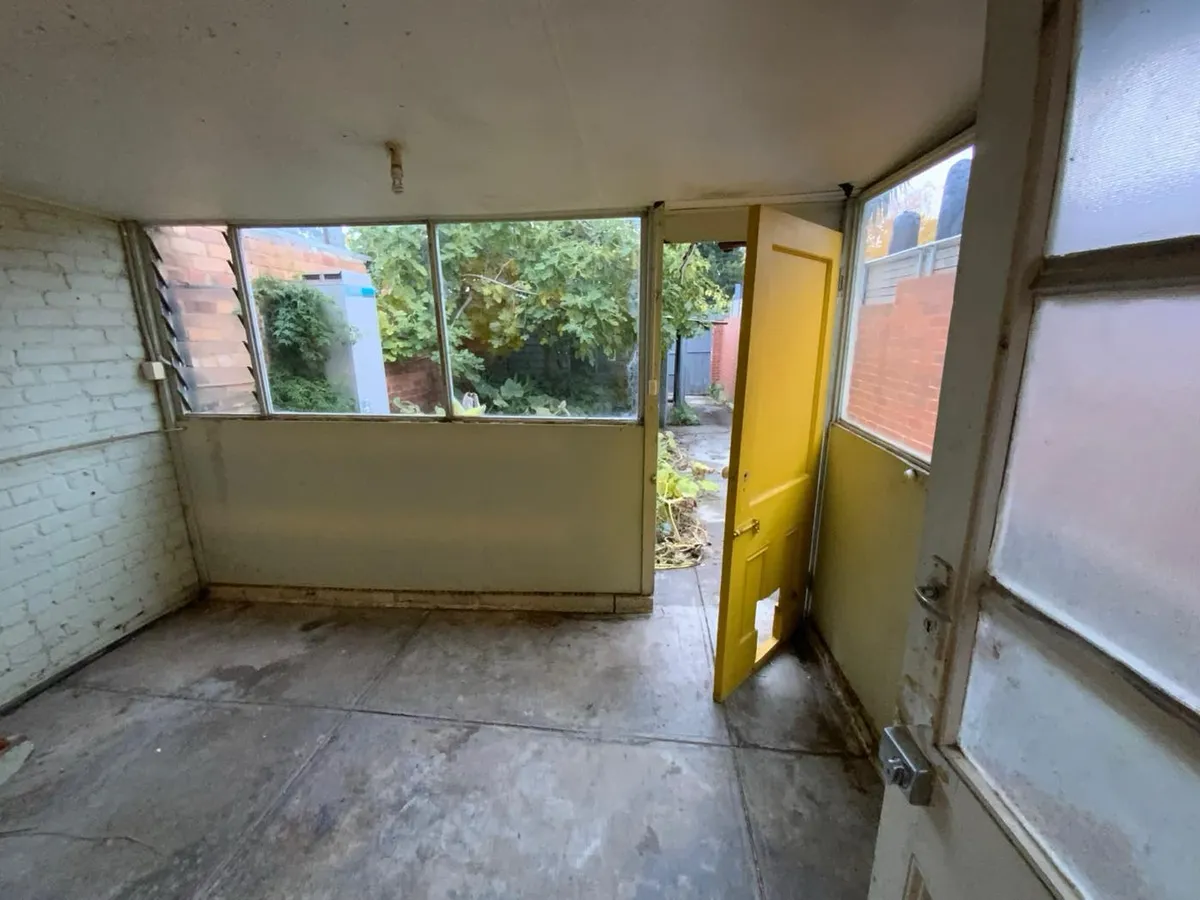
A visual asbestos assessment is the right starting point for many properties. David inspects accessible building materials that may contain asbestos, documents their location and visible condition, and identifies materials that should be treated as suspected asbestos-containing materials.
For many homeowners, buyers and renovators, this provides the information needed to understand where suspected materials are located and determine the appropriate next step.
Where confirmation is required, representative sampling and analysis by a NATA-accredited laboratory can determine whether asbestos is present. Testing may be particularly important before renovation or demolition, where a material is difficult to assess visually, or where documented confirmation is required.
Laboratory testing also means you don't necessarily need to sample every suspected material. The inspection can help identify which materials warrant further analysis, avoiding unnecessary testing while ensuring areas of concern are appropriately addressed.
Asbestos removal is a separate service and is not carried out by Precision 1 Property Inspections. Where removal is required, an appropriately licensed Class A or Class B asbestos removalist should be engaged, depending on the type and quantity of asbestos-containing material involved.
For most homeowners and property buyers, the sensible starting point is an independent visual assessment, followed by laboratory testing where confirmation is required. David can then provide practical recommendations regarding further assessment, management or referral to an appropriately licensed asbestos removalist.
Related Precision 1 Services
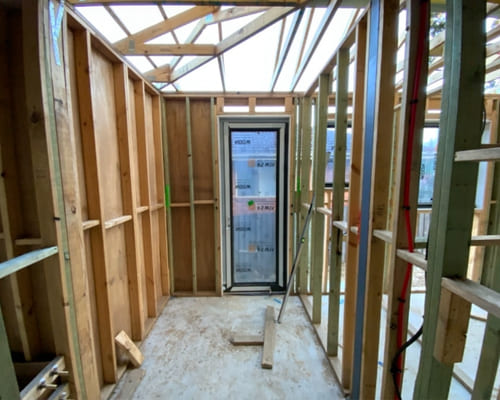
Protect your investment with an independent pre-purchase Building and Pest Inspection carried out by a BPC-registered Building Practitioner and qualified carpenter and joiner with 30 years of building and trade experience.
Inspections are conducted in accordance with AS 4349.1, with thermal imaging included where appropriate and a detailed same-day report.
With more than 2,000 property inspections conducted, you can rely on experienced, practical advice to identify potential defects and better understand the condition of the property before you commit.
Know what you're buying. Understand the risks. Negotiate with confidence.
Precision 1 Property Inspections Your Property. Our Precision.
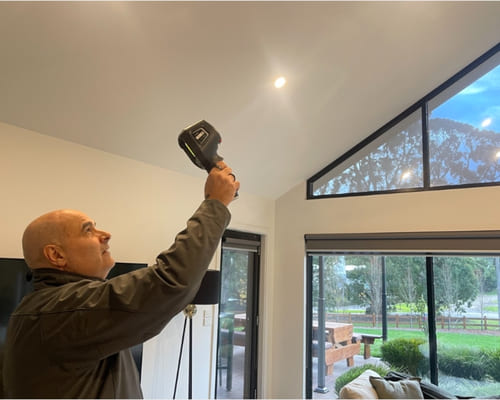
Protect your build with independent inspections at critical construction stages - slab, frame, lock-up, fixing and final handover.
Precision 1 assesses workmanship and construction against the NCC, approved documentation and relevant Guide to Standards and Tolerances, identifying defects and non-compliant work before it becomes concealed or progresses to the next stage.
You receive a clear, photographic same-day report detailing items requiring attention, which can be provided directly to your builder for rectification.
Identify defects early. Have them rectified properly. Build with confidence.
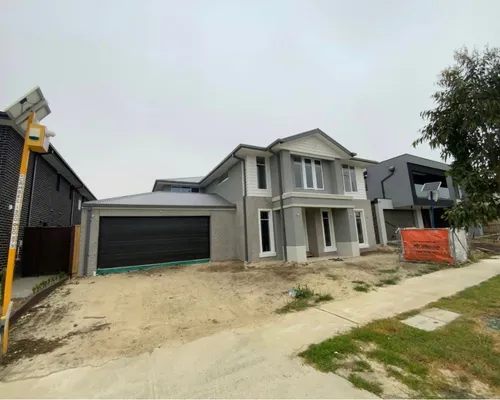
A Precision 1 Practical Completion Inspection (PCI) gives you an independent, detailed same-day defect report before final handover and payment.
Your new home is thoroughly inspected by a BPC-registered Building Practitioner and qualified carpenter and joiner, with workmanship assessed against the NCC, relevant Australian Standards and the Guide to Standards and Tolerances, where applicable.
Identify defects. Hold your builder accountable. Get it right before handover.
TESTIMONIALS
What Our Asbestos Inspections Customers Say About Us
The Process
3 Step Process For Your Asbestos Inspections Needs

Request a Booking
Call or send an enquiry with the property address and the inspection you need. David confirms a time that suits and sends everything you need to prepare before the day.

We Inspect
David inspects the full property - roof void, subfloor, structure, pest activity, and more - with thermal imaging included where it adds value.

Report Delivered
Your detailed written report is delivered the same day. David walks you through the key findings so you understand exactly what you are dealing with.
Asbestos Inspections In Northern Melbourne
FREQUENTLY ASKED QUESTIONS
Everything you need to know about our Asbestos Inspections In Northern Melbourne
Does my home contain asbestos?
If your home was built or renovated before 1990, asbestos-containing materials may be present. Asbestos was widely used in Australian residential construction before its use was progressively restricted and ultimately banned.
Asbestos-containing materials may be found in roofing, eaves, external cladding, internal wall and ceiling linings, wet-area linings, flooring products, garages, sheds and other building materials.
A visual asbestos inspection assesses accessible areas of the property and documents materials suspected of containing asbestos, including their location and visible condition. Particular attention is given to materials and construction methods commonly associated with the age and type of the property.
Asbestos cannot be conclusively confirmed by visual inspection alone. Where certainty is required, representative samples can be submitted for analysis by a NATA-accredited laboratory.
If your property was built or renovated before 1990 and you're planning renovation, demolition or other work that may disturb older building materials, having suspected materials assessed before work begins can help you plan the work safely and determine whether further testing or a licensed asbestos removalist is required.
Call David on 0467 721 260 to discuss your property and the appropriate type of asbestos assessment.
Is an asbestos inspection required by law before renovation work?
Not every residential renovation in Victoria legally requires a formal asbestos inspection. However, Victorian occupational health and safety requirements place obligations on employers, trades and others carrying out work where asbestos may be present or disturbed.
For older homes, asbestos-containing materials may be present in wall and ceiling linings, eaves, wet areas, flooring, roofing, external cladding and other building products. Before these materials are cut, drilled, demolished or otherwise disturbed, any suspected asbestos should be appropriately assessed.
Where a material cannot be confirmed from existing documentation, NATA-accredited laboratory testing may be required to determine whether asbestos is present before work proceeds.
Requirements can vary depending on the property, the type of work being undertaken and whether the work involves a workplace, employer, contractor or homeowner. Licensed asbestos removal may also be required depending on the type and quantity of asbestos involved.
For homes built or renovated during periods when asbestos-containing materials were commonly used, arranging an assessment before renovation or demolition begins is the safest approach and can prevent trades or occupants from inadvertently disturbing suspected asbestos-containing materials.
If you're unsure, have the property assessed before work begins.
What's the difference between bonded and friable asbestos?
Bonded (non-friable) asbestos is asbestos-containing material where the asbestos fibres are firmly bound within another material, commonly cement-based products such as wall and ceiling sheeting, eaves, external cladding and roofing.
When bonded asbestos is in good condition and left undisturbed, the risk of fibres becoming airborne is generally lower. However, cutting, drilling, sanding, breaking, grinding or demolishing the material can release asbestos fibres and create a health risk.
Friable asbestos is material that, when dry, can be crumbled, pulverised or reduced to powder by hand pressure. Because the asbestos fibres are less firmly bound, friable asbestos has a greater potential to release airborne fibres and requires more stringent controls and appropriately licensed removal.
During a visual asbestos assessment, David documents suspected asbestos-containing materials, their location, visible condition and whether their characteristics indicate they may be bonded or friable. Where confirmation is required, NATA-accredited laboratory analysis can determine whether asbestos is present.
The report then provides practical recommendations for further testing, management or referral to an appropriately licensed asbestos removalist where required.
Can I remove asbestos myself if testing confirms it?
In Victoria, whether asbestos can be removed without a licensed asbestos removalist depends on who is carrying out the work, the type of asbestos, the quantity involved and the circumstances of the removal.
Homeowners may undertake some limited removal of non-friable (bonded) asbestos themselves, but Victorian asbestos authorities recommend that asbestos removal is carried out by a licensed asbestos removalist wherever possible. Strict requirements also apply to safe handling, protective equipment, packaging, transport and disposal.
Friable asbestos should only be removed by a licensed asbestos removalist. For builders, tradespeople, employers and self-employed persons, Victorian occupational health and safety regulations also impose specific licensing requirements. Limited unlicensed removal is generally restricted to non-friable asbestos not exceeding 10 m², subject to additional conditions including time limits.
Precision 1 Property Inspections does not undertake asbestos removal. David's role is to visually assess and document suspected asbestos-containing materials and, where confirmation is required, recommend appropriate laboratory analysis. Once the material is confirmed, David can recommend that an appropriately licensed Class A or Class B asbestos removalist be engaged where required.
When in doubt, licensed removal is the safest option.
You've found asbestos in my home - is it dangerous, and what happens next?
Finding suspected asbestos-containing materials in an older home is relatively common and does not necessarily mean there is an immediate health risk.
Bonded (non-friable) asbestos-containing material that is in good condition and remains undisturbed generally presents a lower risk because the asbestos fibres are bound within the material. The risk increases if the material is damaged, deteriorating, drilled, cut, sanded, broken or otherwise disturbed.
David's inspection documents the location, visible condition and extent of suspected asbestos-containing materials throughout accessible areas of the property. Where a material cannot be reliably assessed visually, sampling and analysis by a NATA-accredited laboratory may be recommended to confirm whether asbestos is present.
Depending on the material's condition and its location, it may be appropriate to leave it undisturbed and manage it in place, or further assessment and removal may be recommended.
Precision 1 Property Inspections does not undertake asbestos removal. Where removal is appropriate, David can recommend that a suitably licensed Class A or Class B asbestos removalist be engaged.
If you suspect asbestos in your property, particularly before renovation, maintenance or demolition work, have it assessed before it is disturbed.
Do I need lab testing, or is a visual identification inspection enough?
For many homeowners, buyers and renovators, a visual asbestos identification inspection is the appropriate starting point. David identifies accessible materials suspected of containing asbestos based on their location, appearance, construction method and the age of the property, assesses their visible condition and documents the findings in the report.
Laboratory testing is recommended where confirmation is required, where a material cannot be reliably assessed visually, or before planned works where the material may be disturbed. A representative sample can then be analysed by a NATA-accredited laboratory to determine whether asbestos is present.
Not every suspected material necessarily needs to be sampled. The inspection helps identify which materials may warrant laboratory confirmation, avoiding unnecessary testing while ensuring areas of concern are appropriately documented.
Where asbestos is confirmed, or a suspected material is to be disturbed during renovation, maintenance or demolition, appropriate asbestos controls and, where required, a licensed asbestos removalist should be engaged.
If you're unsure which level of assessment you need, call David on 0467 721 260 to discuss your property and the work you are planning.
Request A Free Asbestos Inspections Quote
GET A FREE QUOTE
DB-L 100279
BUSINESS
SERVICES
SERVICE AREAS
OPERATING HOURS
Sun: 7:00am - 9:00pm
Mon: 7:00am - 9:00pm
Tue: 7:00am - 9:00pm
Wed: 7:00am - 9:00pm
Thu: 7:00am - 9:00pm
Fri: 7:00am - 9:00pm
Sat: 7:00am - 9:00pm