Pre-Sale Building Inspections In Northern Melbourne
Pre-Sale Building Inspections Experts
Independent inspections by a BPC-registered Building Practitioner and qualified Carpenter & Joiner with over 30 years of building industry experience.
Independent pre-sale building inspections across Northern Melbourne. BPC Registered Building Practitioner, qualified carpenter and joiner, thermal imaging included and same-day reports.
A pre-sale building inspection is carried out before your property is listed for sale, giving you an independent assessment of its condition while there is still time to investigate or address identified issues before prospective buyers arrange their own inspections.
Precision 1 Property Inspections provides thorough pre-sale inspections throughout Melbourne's northern suburbs, assessing accessible areas of the property including the interior, exterior, roof exterior, roof space and subfloor where safe and accessible. Thermal imaging and moisture testing are used where appropriate, with a detailed same-day report including photographic documentation.
Knowing about defects before your property goes to market allows you to make an informed decision about whether to rectify an issue, obtain further specialist advice, disclose relevant information or simply understand what a prospective buyer's inspector may identify.
It can also help avoid unexpected findings during the sales campaign and gives you time to address significant issues before they become part of negotiations with a prospective purchaser.
David Dorcich is a BPC Registered Building Practitioner and qualified carpenter and joiner, with seven years of inspection experience and more than 2,000 property inspections completed across Melbourne's northern suburbs.
Know the condition of your property before it goes to market.
GET A FREE QUOTE
Precision 1 Property Inspections
Why Smart Sellers Get a Building Inspection Before They List
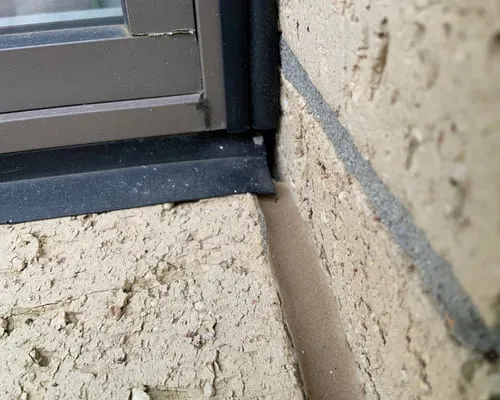
A buyer's building inspection can uncover defects or maintenance issues that the vendor wasn't aware of. When those findings arise during negotiations, they can lead to unexpected questions, requests for repairs or attempts to renegotiate the sale.
A pre-sale building inspection gives you an independent assessment of your property's condition before it goes to market, allowing you to understand potential issues before a prospective buyer arranges their own inspection.
With the findings in hand, you can make informed decisions. You may choose to rectify significant defects, obtain specialist advice, consider relevant disclosure requirements, or simply proceed with a better understanding of the property's condition.
Knowing about issues beforehand also gives you time to gather quotes, invoices or supporting documentation where appropriate, rather than having to respond to an unexpected inspection finding during the sales campaign.
David personally carries out each inspection and provides a detailed same-day report with photographs, giving you a clear record of the property's condition before you list.
With seven years of inspection experience, more than 2,000 property inspections, BPC Registered Building Practitioner status and a background as a qualified carpenter and joiner, David brings practical building knowledge to every pre-sale inspection.
Know what a buyer may find, before your property goes to market.
Precision 1 Property Inspections
What Pre-Sale Inspections Commonly Find in Northern Melbourne Properties
The findings of a pre-sale inspection vary depending on the age, construction type, condition and maintenance history of the property.
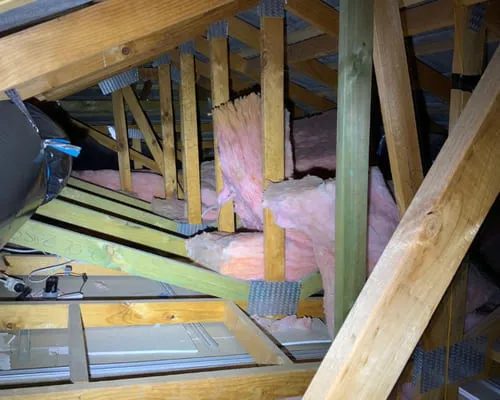
Across established northern Melbourne suburbs such as Reservoir, Macleod, Bundoora, Watsonia, Greensborough and Diamond Creek, inspections may identify issues associated with ageing homes, including roof deterioration, cracking or evidence of movement, moisture concerns, subfloor ventilation and drainage issues, ageing building materials, and previous alterations or repairs.
In newer properties throughout areas such as Doreen, Mernda, South Morang and Mill Park, findings may include drainage and moisture issues, cracking, incomplete or poor-quality workmanship and other construction defects.
Some findings may be relatively straightforward to address, while others may warrant further investigation by an appropriately qualified trade or specialist.
Identifying these issues before your property goes to market gives you time to make informed decisions about repairs, further investigation and how you prepare the property for sale, rather than first becoming aware of them during a prospective buyer's due diligence.
Know your property's condition before your buyer does.
Precision 1 Property Inspections
How a Pre-Sale Report Strengthens Your Negotiating Position
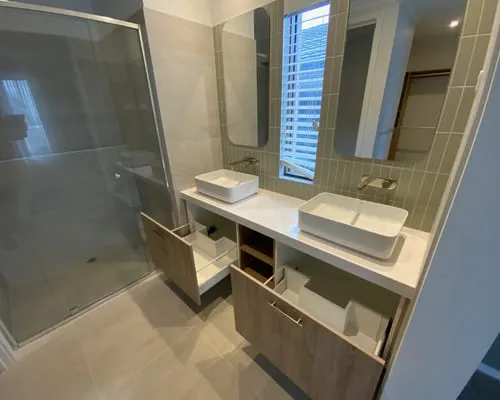
When a buyer arranges their own building inspection, they may identify defects or concerns that you were previously unaware of. If those issues arise after an offer has been made, they can lead to further questions, requests for repairs, price negotiations or uncertainty around the sale.
A pre-sale inspection gives you the opportunity to understand the condition of your property before it goes to market.
If defects are identified, you can make an informed decision about whether to rectify them before listing, obtain further advice or simply take them into account when preparing the property for sale. It also means you are less likely to be caught by unexpected findings if a prospective buyer later arranges their own inspection.
Having this information in advance can make discussions with your selling agent, conveyancer or solicitor and prospective buyers more informed and help you approach negotiations from a better-prepared position.
Following the inspection, David provides a detailed same-day report with photographs, giving you a clear understanding of the property's visible condition before the sales campaign begins.
Know what a buyer's inspector may find before your property goes to market.
Precision 1 Property Inspections
How Much Does a Pre-Sale Inspection Cost?
The cost of a pre-sale building inspection varies depending on the size, age, type and complexity of the property, as well as the inspection services required.
Precision 1 provides a clear fixed fee upfront based on the agreed scope, so you know the cost before the inspection proceeds.
A pre-sale inspection can help identify potential defects before your property goes to market, giving you the opportunity to investigate, rectify or disclose issues before they are raised during a buyer's due diligence.
Where required, a timber pest inspection or Section 137B Owner-Builder Defect Inspection Report can also be arranged and quoted according to the required scope.
For an accurate quote, simply provide the property address and type of inspection required. Know what a buyer's inspector may find - before they find it.
Precision 1 Property Inspections
How a Pre-Sale Inspection Differs from a Buyer's Inspection and a 137B Report
A pre-sale building inspection is arranged by the vendor before placing a property on the market. Its purpose is to give you an independent understanding of the property's condition, allowing you to identify potential defects and decide whether any issues should be investigated or rectified before prospective buyers undertake their own due diligence.
A pre-purchase building inspection is commissioned by the buyer and provides an independent assessment of the property before they proceed with the purchase. Pre-purchase inspections are conducted in accordance with AS 4349.1, within the agreed scope and limitations of the inspection.
A Section 137B Owner-Builder Defects Report serves a different purpose. It may be required when a property containing prescribed owner-builder work is being sold within the applicable statutory period. The report forms part of the Victorian owner-builder sale requirements and should not be confused with a voluntary pre-sale inspection.
If owner-builder work has been completed at your property and you are preparing to sell, it is important to establish whether the Section 137B requirements apply to your particular circumstances.
David is a registered Building Practitioner (DB-L 100279) and can assist with both pre-sale building inspections and Section 137B Owner-Builder Defects Reports.
Not sure which inspection you need? Contact Precision 1 Property Inspections and David can help determine the appropriate inspection for your property.
Related Precision 1 Services
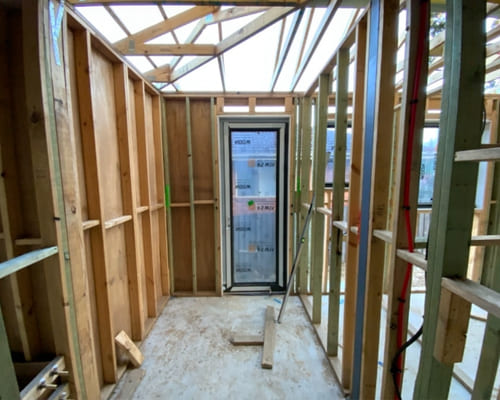
Protect your investment with an independent pre-purchase Building and Pest Inspection carried out by a BPC-registered Building Practitioner and qualified carpenter and joiner with 30 years of building and trade experience.
Inspections are conducted in accordance with AS 4349.1, with thermal imaging included where appropriate and a detailed same-day report.
With more than 2,000 property inspections conducted, you can rely on experienced, practical advice to identify potential defects and better understand the condition of the property before you commit.
Know what you're buying. Understand the risks. Negotiate with confidence.
Precision 1 Property Inspections Your Property. Our Precision.
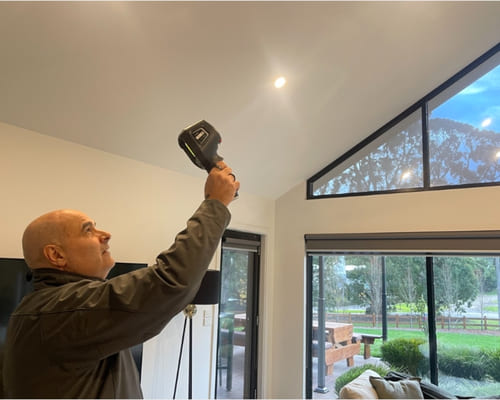
Protect your build with independent inspections at critical construction stages - slab, frame, lock-up, fixing and final handover.
Precision 1 assesses workmanship and construction against the NCC, approved documentation and relevant Guide to Standards and Tolerances, identifying defects and non-compliant work before it becomes concealed or progresses to the next stage.
You receive a clear, photographic same-day report detailing items requiring attention, which can be provided directly to your builder for rectification.
Identify defects early. Have them rectified properly. Build with confidence.
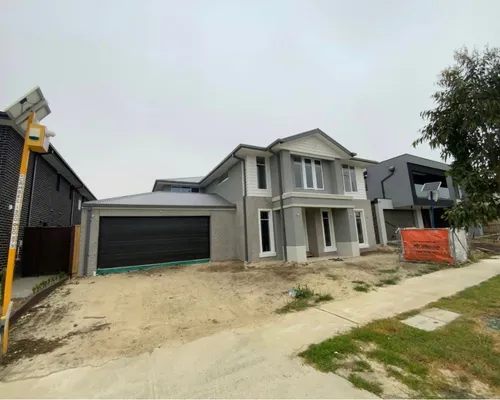
A Precision 1 Practical Completion Inspection (PCI) gives you an independent, detailed same-day defect report before final handover and payment.
Your new home is thoroughly inspected by a BPC-registered Building Practitioner and qualified carpenter and joiner, with workmanship assessed against the NCC, relevant Australian Standards and the Guide to Standards and Tolerances, where applicable.
Identify defects. Hold your builder accountable. Get it right before handover.
TESTIMONIALS
What Our Pre-Sale Building Inspections Customers Say About Us
The Process
3 Step Process For Your Pre-Sale Building Inspections Needs

Request a Booking
Call or send an enquiry with the property address and the inspection you need. David confirms a time that suits and sends everything you need to prepare before the day.

We Inspect
David inspects the full property - roof void, subfloor, structure, pest activity, and more - with thermal imaging included where it adds value.

Report Delivered
Your detailed written report is delivered the same day. David walks you through the key findings so you understand exactly what you are dealing with.
Pre-Sale Building Inspections In Northern Melbourne
FREQUENTLY ASKED QUESTIONS
Everything you need to know about our Pre-Sale Building Inspections In Northern Melbourne
How much does a pre-sale building inspection cost?
Pre-sale inspection pricing is consistent with pre-purchase inspection pricing, as the scope of the inspection is identical - the difference is who commissions it and why.
Call David on 0467 721 260 with the property address for a firm quote before you book.
For vendors who want the most useful possible inspection, David recommends the combined Building and Pest Inspection - it gives you the same picture a motivated buyer's inspector will produce.
Knowing what a buyer's inspector will find before your property goes on the market is the entire point of the exercise.
Do I have to disclose the pre-sale inspection report to buyers?
In Victoria, you are not generally required to provide prospective buyers with a copy of your pre-sale building inspection report simply because you have had one completed.
However, obtaining a report does not remove your disclosure obligations. If the inspection identifies an issue that may constitute a material fact, you should discuss it with your conveyancer or legal practitioner before marketing or selling the property. Victorian law prohibits vendors and agents from knowingly concealing material facts from prospective purchasers.
Many vendors commission a pre-sale inspection primarily for their own information, allowing them to understand the property's condition, investigate significant findings and decide what should be addressed before going to market.
You may also choose to make the report available to prospective buyers if you and your selling agent believe transparency will assist the sales campaign.
The key advantage of a pre-sale inspection is knowing what may be identified before a buyer commissions their own inspection, giving you time to make informed decisions rather than being caught by unexpected findings during negotiations.
What are the most common issues found in pre-sale inspections in Northern Melbourne?
The findings of a pre-sale inspection can vary considerably depending on the age, construction type, condition and maintenance history of the property.
In established northern Melbourne suburbs such as Reservoir, Macleod, Bundoora, Watsonia and Greensborough, inspections commonly identify roofing deterioration, cracking or movement, moisture-related issues, subfloor ventilation and drainage concerns, ageing building materials, and previous alterations or repairs requiring further assessment.
Older properties may also contain suspected asbestos-containing materials, particularly in wet areas, eaves, wall and ceiling linings and some external cladding. Where suspected materials are identified, further testing can be recommended where appropriate.
In newer properties throughout growth areas such as Doreen, Mernda, South Morang and Mill Park, common findings include site drainage issues, cracking, moisture concerns, incomplete or poor-quality workmanship and defects associated with previous construction.
The purpose of a pre-sale inspection is to identify these issues before the property goes to market, giving you time to investigate or rectify significant defects and make informed decisions before they are raised by a prospective buyer's inspector.
Knowing the condition of your property before you sell puts you in control of the conversation rather than discovering problems during negotiations.
Does a pre-sale inspection affect my property's value?
A pre-sale inspection doesn't determine your property's value, it gives you a clearer understanding of its condition before you go to market.
If significant defects are identified, you have time to investigate them, obtain repair costs, rectify them where appropriate, or factor their condition into your selling strategy before negotiations begin.
This puts you in a stronger position than discovering an unexpected issue after a prospective buyer has commissioned their own building inspection.
Where an inspection identifies an issue that may need to be disclosed to prospective purchasers, you should discuss your obligations with your conveyancer or legal practitioner.
Ultimately, a pre-sale inspection is about knowledge and preparation, understanding your property before the buyer does.
What if the inspection finds a serious defect that could scare buyers off?
Finding a significant defect before you list is one of the main advantages of a pre-sale inspection. It gives you time to understand the issue and consider your options before negotiations with prospective buyers begin.
Depending on the finding, you may choose to obtain further specialist advice, arrange repairs, obtain quotations to understand the likely rectification cost, or discuss how the issue should be handled with your selling agent and conveyancer.
Identifying the problem early also gives you the opportunity to provide buyers with evidence of any professional repairs or further investigations that have been completed.
Where a significant finding may constitute a material fact, you should obtain advice from your conveyancer or legal practitioner regarding your disclosure obligations.
A serious defect is far easier to manage when you know about it before the property goes to market rather than discovering it through a buyer's inspection during negotiations.
Should I get a pre-sale inspection, or just leave it to the buyer's inspector?
You can leave it to the buyer's inspector, but that means the buyer may discover significant issues with your property before you do.
A pre-sale inspection gives you an independent assessment of the property's condition before it goes to market, allowing you to identify significant defects, investigate concerns and consider appropriate repairs before a prospective buyer carries out their own due diligence.
The inspection is conducted in accordance with AS 4349.1 - Inspection of Buildings, Pre-purchase Inspections - Residential Buildings, providing a thorough visual assessment of accessible areas of the property.
Knowing about potential issues in advance puts you in a better-informed position during the sales process and reduces the likelihood of unexpected findings disrupting negotiations.
The advantage is simple: know what a buyer's inspector may find before the buyer does.
Request A Free Pre-Sale Building Inspections Quote
GET A FREE QUOTE
DB-L 100279

BUSINESS
SERVICES
SERVICE AREAS
OPERATING HOURS
Sun: 7:00am - 9:00pm
Mon: 7:00am - 9:00pm
Tue: 7:00am - 9:00pm
Wed: 7:00am - 9:00pm
Thu: 7:00am - 9:00pm
Fri: 7:00am - 9:00pm
Sat: 7:00am - 9:00pm